Creating a Protected Birth Space for a Calmer Labor
The concept of a protected birth space has gained attention among families and birth workers who want labor to unfold with less interference and more calm. It is not about a specific room or a checklist of items. It is about the atmosphere, the people, and the decisions that surround a woman as she brings her baby into the world. When this space is truly protected, the laboring person can follow her own rhythms, and the birth team can respond to her needs rather than to a clock or a protocol.
A protected birth space is something that is built over time, not just on the day labor begins. It starts with how a woman chooses her care provider, how she prepares her home or birth center environment, and how she communicates her preferences to everyone who will be present. The goal is to reduce unnecessary stress and to keep the focus on the physiological process of birth. When a woman feels safe and unobserved, her body can release the hormones that help labor progress. When that sense of safety is broken, even by well-meaning interruptions, labor can stall or become more painful.
What Makes a Space Feel Protected
Privacy is the foundation. A protected birth space is one where the laboring woman is not exposed to people she does not want in the room. It means the door is closed to anyone who is not part of the agreed-upon support team. It also means that conversations about her progress happen quietly, out of her earshot if they are not directly relevant to her. Medical students, extra nurses, or curious family members can wait outside until the woman herself invites them in.
Lighting and sound also matter. Bright overhead lights can feel harsh and alert the nervous system. Dim, warm light or candles can help the body shift into a more relaxed state. Soft music or silence, depending on the woman's preference, can keep the environment from being jarring. Some women want complete quiet so they can focus on their breathing. Others want familiar songs that help them stay grounded. The key is that the woman controls these choices, not the institution or the schedule.

Temperature is another factor that is often overlooked. A room that is too cold can make it hard for a laboring woman to relax. Her body is working hard, and she may run warm, but drafts or cold floors can cause tension. A protected birth space is kept at a temperature that feels comfortable for her, not for the staff or for visitors. Blankets, socks, and warm compresses are simple tools that can make a big difference.
The Role of the Support Team
The people in the room matter as much as the physical setting. A protected birth space is guarded by the people who are there to support the woman, not to manage her. This includes her partner, a doula, a midwife, or a trusted friend. Each person should understand their role: to offer comfort, to advocate for her preferences, and to handle any disruptions so she does not have to think about them.
A doula, for example, can help the woman stay centered by suggesting position changes, offering massage, or simply being present in a quiet way. The doula also serves as a buffer between the woman and anyone who might introduce stress, such as a provider who wants to discuss interventions or a family member who is anxious. This buffer is part of the protected birth space. It allows the woman to stay in her own experience rather than having to manage the emotions or expectations of others.
Partners also need preparation. They may not know how to protect the space if they have not been told what that looks like. A partner can learn to notice when the woman's privacy is being compromised, when the room becomes too bright or too loud, or when someone is asking too many questions. With that awareness, they can act quickly to restore the environment. The partner's role is not to be a medical expert but to be a guardian of the woman's peace.
How a Protected Birth Space Supports Natural Labor
When a woman feels truly safe, her body can release oxytocin, the hormone that drives contractions. Oxytocin is sometimes called the love hormone, but its role in birth is practical. It makes the uterus contract and helps the baby move down. It is also a hormone that is easily suppressed by stress. Adrenaline, the stress hormone, can block oxytocin and slow or stop labor. This is why a calm, protected environment is not just a luxury. It is a physiological necessity for labor to progress normally.
A protected birth space also helps the woman stay in a state of focus that birth workers often call the birth zone. In this state, the woman is less aware of the outside world and more aware of her body and her baby. She may close her eyes, breathe deeply, and move instinctively. Interruptions, even small ones like a knock on the door or a question about her consent for a procedure, can pull her out of that zone. Once she is pulled out, it can take time to get back into it. That lost time can mean a longer, harder labor.
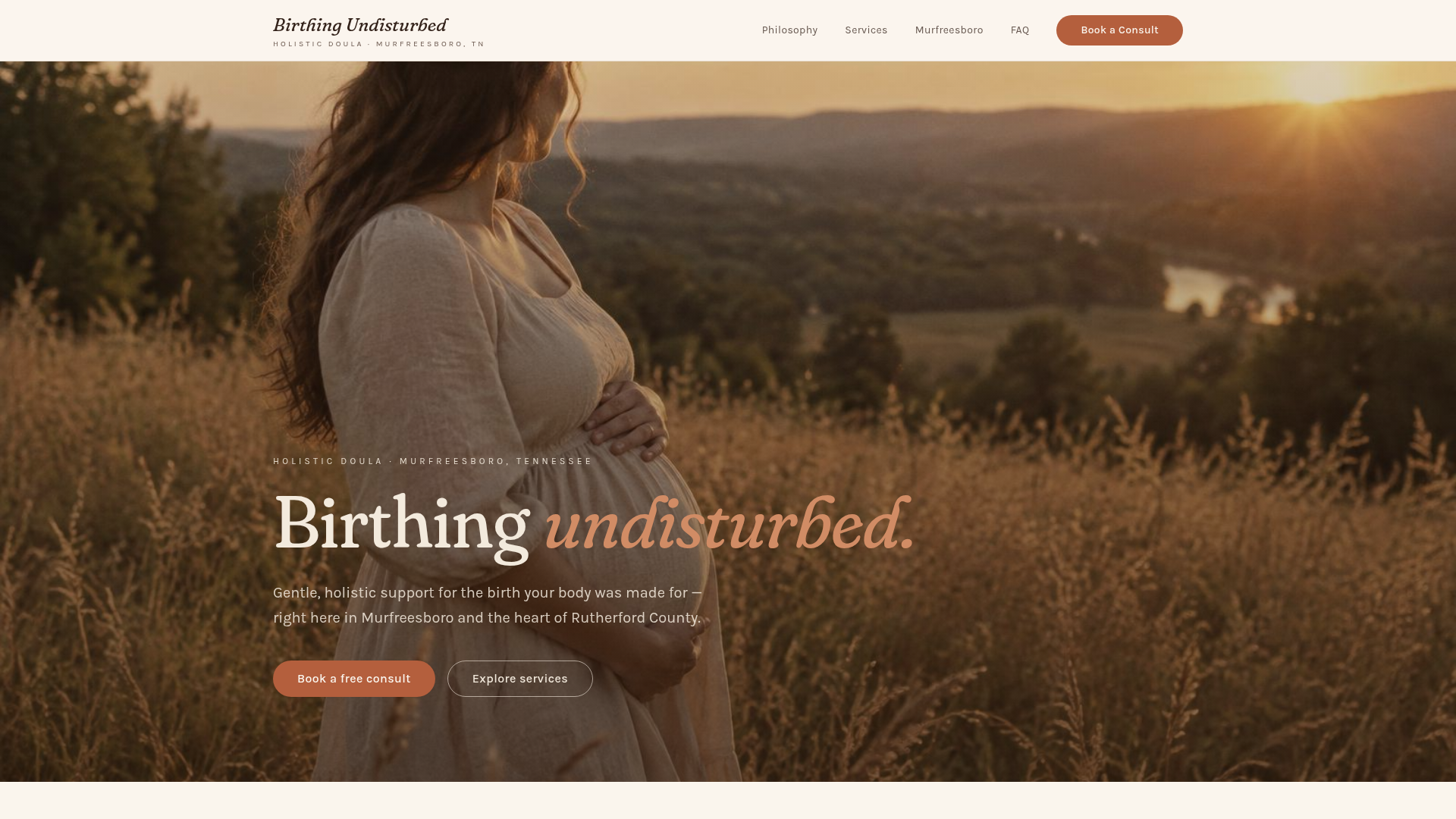
For this reason, many families choose to give birth at home or in a freestanding birth center where they have more control over the environment. But a protected birth space can also be created in a hospital, though it requires more planning. The woman and her support team must communicate clearly with the hospital staff about what is important to them. This might mean asking the nurses to limit cervical exams, to keep the lights low, and to only enter the room when necessary. It might also mean bringing items from home, like a familiar pillow, a diffuser with a calming essential oil, or a playlist.
Practical Steps for Building Your Own Protected Birth Space
Start with a conversation. Talk with your care provider about what a protected birth space means to you. Ask how they handle interruptions, how they manage the room temperature and lighting, and who will be present during labor. If the provider seems dismissive or unsure, that is a signal that you may need to do more preparation or consider a different provider. The best care providers understand that their role is to support the woman's vision, not to override it.
Next, think about the physical details. List what helps you feel calm in other stressful situations. Do you prefer dim light? Do you want to wear your own clothes? Do you need absolute quiet or background noise? Do you want to be able to move freely, walk, or change positions? These preferences should be written down and shared with everyone who will be at the birth. A simple birth plan can serve as a reminder, but it should not be a rigid document that causes conflict. It is a tool for communication.
Consider who you invite. Not everyone who loves you will be able to support your protected birth space. Some people bring their own anxiety or opinions, and that can disturb the environment. You have the right to limit the guest list. You also have the right to ask people to leave if they are not helping. Your support team should be ready to enforce this boundary politely but firmly.
Checklist for a Protected Birth Space
- Control over lighting and temperature in the room
- Limited access: only agreed-upon people enter
- Quiet atmosphere with no unnecessary conversations or phone calls
- Freedom to move, change positions, and use the bathroom without being monitored
- A designated person (partner or doula) who handles communication and interruptions
Why It Matters Beyond the Birth Room
The way a woman experiences birth can affect how she feels about herself as a mother and how she bonds with her baby. A labor that felt chaotic, invasive, or disrespected can lead to birth trauma. A labor that felt safe and supported can be a source of strength. A protected birth space is not about having a perfect birth. It is about creating conditions that allow the woman to trust her body and her instincts. That trust carries over into the early days of parenting, when decisions about feeding, sleep, and soothing can feel overwhelming.

A protected birth space also affects the baby. When labor progresses smoothly, the baby is less likely to experience distress. The baby benefits from the mother's calm state because oxytocin and other feel-good hormones cross the placenta. After birth, a calm, uninterrupted space helps with the first moments of bonding, skin-to-skin contact, and breastfeeding. These early interactions set a tone for the relationship between mother and child.
In the end, a protected birth space is a gift that a woman gives to herself and to her baby. It takes thought and planning, and it may require her to speak up for what she needs. But the effort is worth it. When the space is protected, the birth can unfold as nature intended, with less interference and more peace. That is what every family deserves.